

.jpeg)
The Rastriya Swatantra Party Government, Nepal’s Most Successful Yet
Dr. Rajendra Panthee
.png)
History will remember the Rastriya Swatantra Party (RSP) government as the most successful administration Nepal has ever produced, at least to date. It set out to do certain things. It has done them all. The only problem is that the people misunderstood what those things were. Perhaps in time the government will also understand what the people wanted. Until then, it continues to excel at what it does best.

When the party promised to show how a government should be run within 100 days, it meant something profound. It meant teaching citizens the virtue of patience. What better lesson than standing in line for cooking gas for hours, only to return home empty-handed? This is not a failure of supply chain management. This is a deliberate program in character-building. The RSP has understood what other governments missed. A population that queues together, stays together. Someday the gas may flow. But why rush perfection?
The pledge to bring Nepalis back from foreign countries has been fulfilled with equal brilliance. Why would the government bring them back physically when it can keep them abroad sending remittances? This is economic strategy at its finest. The country enjoys the money without the burden of the people. Jobs remain unfilled. Families remain separated. But the balance of payments looks healthy. That is what matters. In the future, perhaps the government will find a way to bring people home without asking them to work. Until then, the diaspora can keep funding a state that does not serve them.
The country enjoys the money without the burden of the people. Jobs remain unfilled. Families remain separated. But the balance of payments looks healthy.
The vow to lock up corrupt old-party leaders has also been honored in spirit. Several were arrested within hours of the new government taking office. Then they were released. Then the cases faded into the quiet hum of bureaucratic inertia. This is not inconsistency. This is mercy. The RSP has shown that even the corrupt deserve second chances, third chances, and eventually, chances so numerous that accountability becomes a vague concept best discussed in academic seminars. Perhaps one day a corrupt leader will stay in custody long enough to stand trial. But why spoil the suspense?
Home Minister Sudan Gurung deserves special recognition. He planned everything for the Gen Z protests with the precision of a military strategist. Ambulances. Doctors. Logistics. Even the placement of school students in uniform at protest sites. Critics call this manipulation. Supporters call it foresight. If a home minister can organize a protest, become its hero, and then govern its aftermath without ever admitting responsibility for any of it, that is not hypocrisy. That is statecraft. Someday he may explain how it was all done. Until then, the mystery adds to the legend.
The Karki Commission report remains unpublished, but this too is a triumph. Why release a document when uncertainty serves better? Let the families of the dead wonder what the report says. Let the public speculate about the second day of the protest, when arson and destruction turned streets into battlefields. Let journalists file right-to-information requests that vanish into ministerial inboxes. This is not opacity. This is suspense. A government that keeps its people guessing is a government that keeps them engaged. Perhaps the report will be released when the timing is right. Or perhaps it will remain sealed as a monument to the art of waiting.
Too much of it and people start asking awkward questions about who gave the orders, who signed the files, and who looked the other way. Someday the courts may act. But why hurry a process that teaches so much about patience?
The National Human Rights Commission has recommended investigation into Rabi Lamichhane and seventeen sitting RSP MPs for their roles in protest incidents. Yet no prosecutions have followed. This is not inaction. This is restraint. The RSP has understood that justice, like cooking gas, is best distributed in limited quantities. Too much of it and people start asking awkward questions about who gave the orders, who signed the files, and who looked the other way. Someday the courts may act. But why hurry a process that teaches so much about patience?
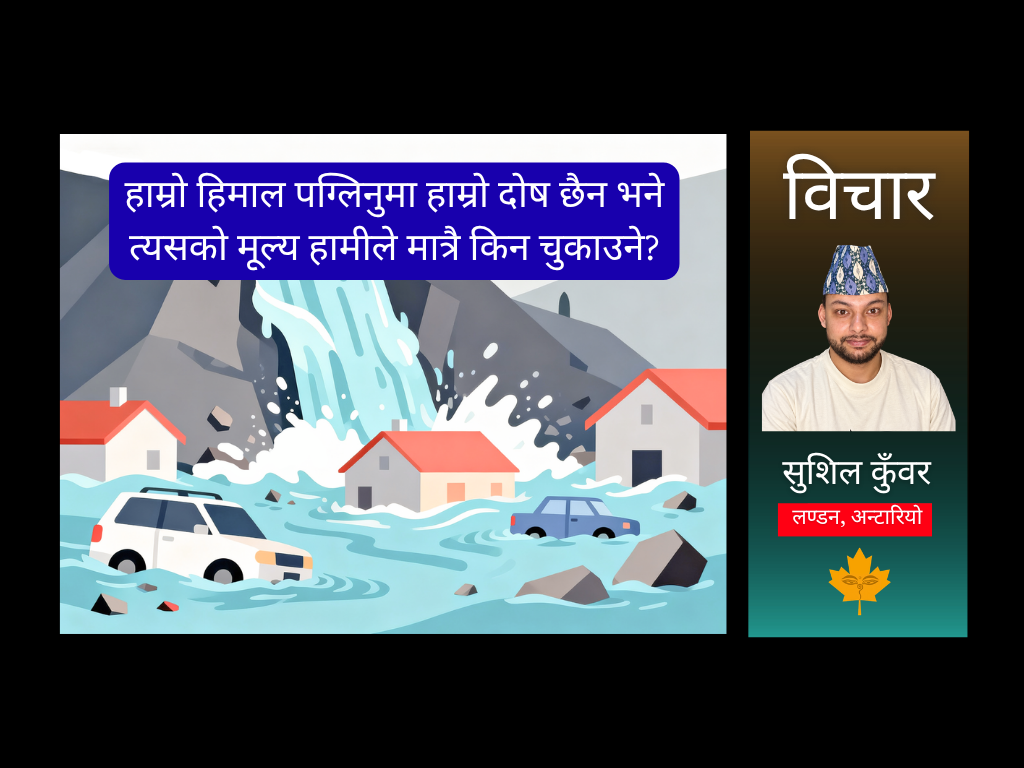
The Bhotekoshi flood disaster offered another opportunity for excellence. Billions of rupees were collected in the name of relief. Families of the deceased say they have not received cremation expenses or basic living support. Out of one billion rupees deposited in the state treasury, only 155 million has reached the field. This is not mismanagement. This is fiscal discipline. The government has resisted the temptation to spend money it does not know how to track. It has also resisted the temptation to let families grieve without the added burden of filling out forms, waiting in offices, and being told to come back tomorrow. Perhaps one day the remaining funds will reach those who need them. Until then, the lesson in bureaucracy continues.
The 10-point agreement signed with Gen Z representatives promised free education and healthcare, employment and social security for martyrs’ families and the injured. Most of those points remain unimplemented. This is not betrayal. This is realism. The government has recognized that promises are like horizons. They look inspiring from a distance. They are impossible to reach up close. Someday the horizon may move closer. But why spoil the view?
Videos circulating on social media show school students in uniform being brought to protest sites. Other footage alleges that Sudan Gurung used the TOB network to incite violence and escalate confrontations with police. These claims are still being debated, but they have begun to erode trust among families of those killed and injured. This is not a crisis of confidence. This is a test of faith. A government that asks its citizens to believe without evidence is a government that understands the spiritual dimension of politics. Perhaps one day the truth will emerge. Until then, belief is its own reward.
Leaked documents suggest that several figures now at the center of Nepal’s new establishment were identified years earlier as catalytic civic leaders in programs linked to U.S.-funded groups.
The Grayzone controversy over U.S.-funded training programs has added another layer of intrigue. Leaked documents suggest that several figures now at the center of Nepal’s new establishment were identified years earlier as catalytic civic leaders in programs linked to U.S.-funded groups. Critics say this shows a foreign-backed pipeline into power. Defenders counter that training is not control. Both are missing the point. The RSP has shown that Nepal can be led by people who learned public speaking, social media, and leadership development from foreign donors and still govern as if they learned nothing at all. That is sovereignty. Someday they may apply what they learned. Until then, the irony is enough.
The gas queues grow longer. The flood victims wait. The martyrs’ families grieve. The reports stay sealed. The promises remain promises. And through it all, the government stands firm, unshaken by the petty demands of reality. This is not failure. This is legacy, at least to date.
Other governments tried to deliver services. The RSP has delivered lessons. Other governments tried to build trust. The RSP has built endurance. Other governments tried to leave a record of achievement. The RSP has left a record of questions. Who planned the protests? Who ordered the arrests? Who released the suspects? Who wrote the report? Who signed the checks? Who benefits?
These are not signs of dysfunction. These are signs of depth. A government that can turn every failure into a philosophical inquiry is a government for the ages. Perhaps one day it will also deliver services. But why rush success when failure teaches so much?
So let the record show that the Rastriya Swatantra Party has done everything it intended, at least to date. It intended to govern without governing. It intended to reform without changing anything. It intended to lead without taking responsibility. It has succeeded on all counts.
The most successful government in Nepal’s history, to date. No questions asked. No answers given. Success may come later. But the lessons are already here.
Dr. Panthee is an Associate Teaching Professor at the Department of Writing Studies, Rhetoric and Composition at Syracuse University, New York, US. This article represents the author’s personal perspectives and does not reflect the views or positions of any affiliated institution.
.gif)

 सम्बन्धित खबर
.png)



.png)








तपाईंको प्रतिक्रिया